

Bluffing isn’t only a way to win at poker or get ahead in politics; it’s a basic storytelling tool that moves tales forward. Characters that are good at bluffing keep us hooked by employing bold confidence with high-stakes peril. This keeps people wondering whether their bet will pay off or go horribly wrong.
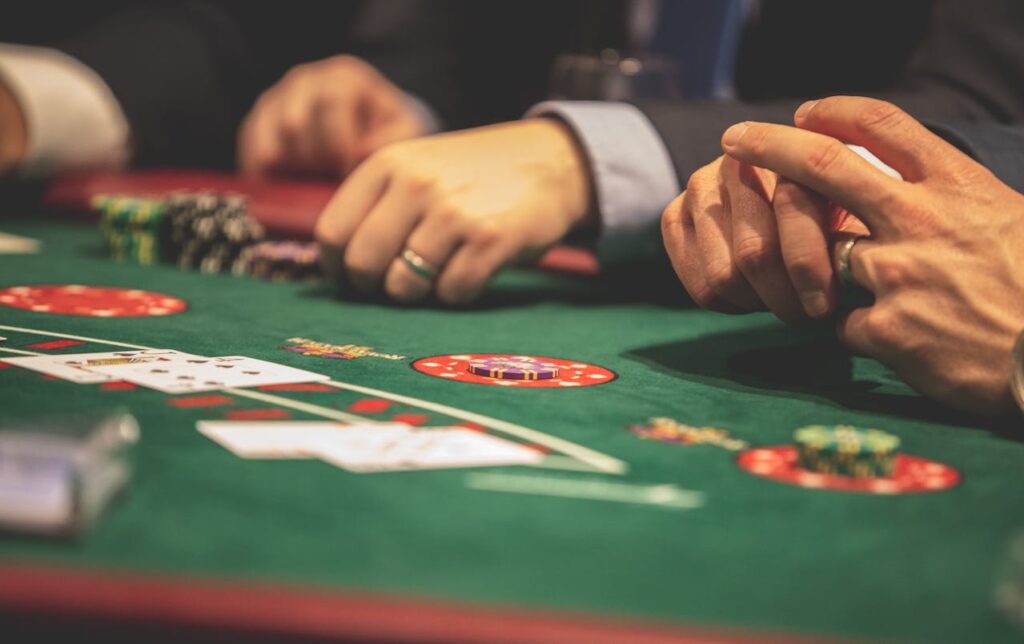
Some people want comparable experiences off-screen, as in a casino non GamStop, where each decision matters. Platforms like casinos not on GamStop accepting credit cards offer that same thrill with convenient payment options, making the transition from everyday life to high-stakes entertainment seamless. Psychologists say that social interactions are frequently like these high-stakes games, where skilled deceit and the fine boundary between truth and falsehoods create drama that can’t be ignored.
What a Bluff Really Is
Bluffing is basically telling a lie on purpose to trick your opponent. While bluffing, someone acts confident or strong when not. They are basically bragging to scare the other side. It’s like a poker player claiming to have the best hand or a politician acting too sure of themselves about a deal, they are both hoaxing.
Using this strategy is naturally risky. Blowing a hand requires risk tolerance, according to one expert, so only brave players do it. If the other person folds or backs down, defeating the bluff, the bluffer wins.
But if the bluff fails, the bluffer may lose everything. For short, a fake that works depends on how sure the other player is that you are not cheating.
Frank Underwood’s Playbook for Control
Frank Underwood from House of Cards is the perfect example of a bluffer. He sees everyone as a player in his merciless struggle for dominance. His talent is in promising devotion while carefully planning treachery and keeping up the appearance of being honest. This superb deceit would fit perfectly in a high-stakes gambling den.
You can imagine him at a casino non GamStop table, coolly moving chips forward while looking for flaws. He shows his plan by little gestures and well-planned conversations: change the setting, control the story, and shift the responsibility. The way he layers things makes his political moves so scary and fascinating.
Tells and Tics on Screen
People who watch realise quickly that bodies frequently give away falsehoods. A little gesture on TV or in films might signify a bluff. Those studying body language say that liars frequently give themselves away without meaning. For example, when someone is lying, gesturing with both hands or turning palms away suggests hiding something.
When people lie, they often fidget since they scratch at their ear or tap their foot. The directors are using all of these clues to their own advantage. For instance, a camera might linger on a forced shrug or guilty grin. Facial expressions also communicate a lot. When fabricating a falsehood, an anxious individual might blink quite quickly, avoid eye contact, or even purse their lips or lick their lips.
This is something that both poker flicks and political thrillers show: when a character is preparing to bluff, they typically look around or clench their lips, which the spectator can see right away. In short, tells and tics on film make the psychology of bluffing more dramatic by turning the reality of stress and lies into visual signals.
Where Bluffs Thrive
Situations of high pressure are where the best bluffs happen when much is at stake. These conditions resemble gaming establishments with much at stake. In such places, players are more aware of respecting their surroundings, as they think tactically. The vibe in these places makes people want to take calculated risks, much as players do on specific casino non GamStop sites that are made for strategic gamers.
Successful bluffers use their environment to put psychological pressure on their targets. They do this by utilising quiet, distance, and time to make their lies seem more believable. The surroundings become an aspect of the lie, either helping or hurting the bluffer’s performance.
Why We Can’t Look Away
We observe bluffs because they make us feel comfortable while also making us feel the danger. That blend of excitement and curiosity is instant; a well-timed falsehood on television grabs attention like a real-life gamble. Some people compare the feeling to going out to non GamStop casino entertainment at night, when neon lights and uncertainty make every option more complicated, and the crowd’s response adds to the suspense. It’s in such moments that players start wondering why choose Aphrodite non-GamStop casinos, drawn by the thrill and the promise of something different.
Psychologists say this physiological boost, faster heart rate, and increased attention give us a short, pleasant high. The best dramas mix bluffing with moral reckoning, so the spectator gets closure and balance after the adrenaline rush.