
To discover a path less travelled, head to Sri Lanka’s northern shores where untouched beaches, historic forts and shimmering lagoons await. Trincomalee, Jaffna and Mannar are the hearts of the Tamil-speaking communities who live around them.
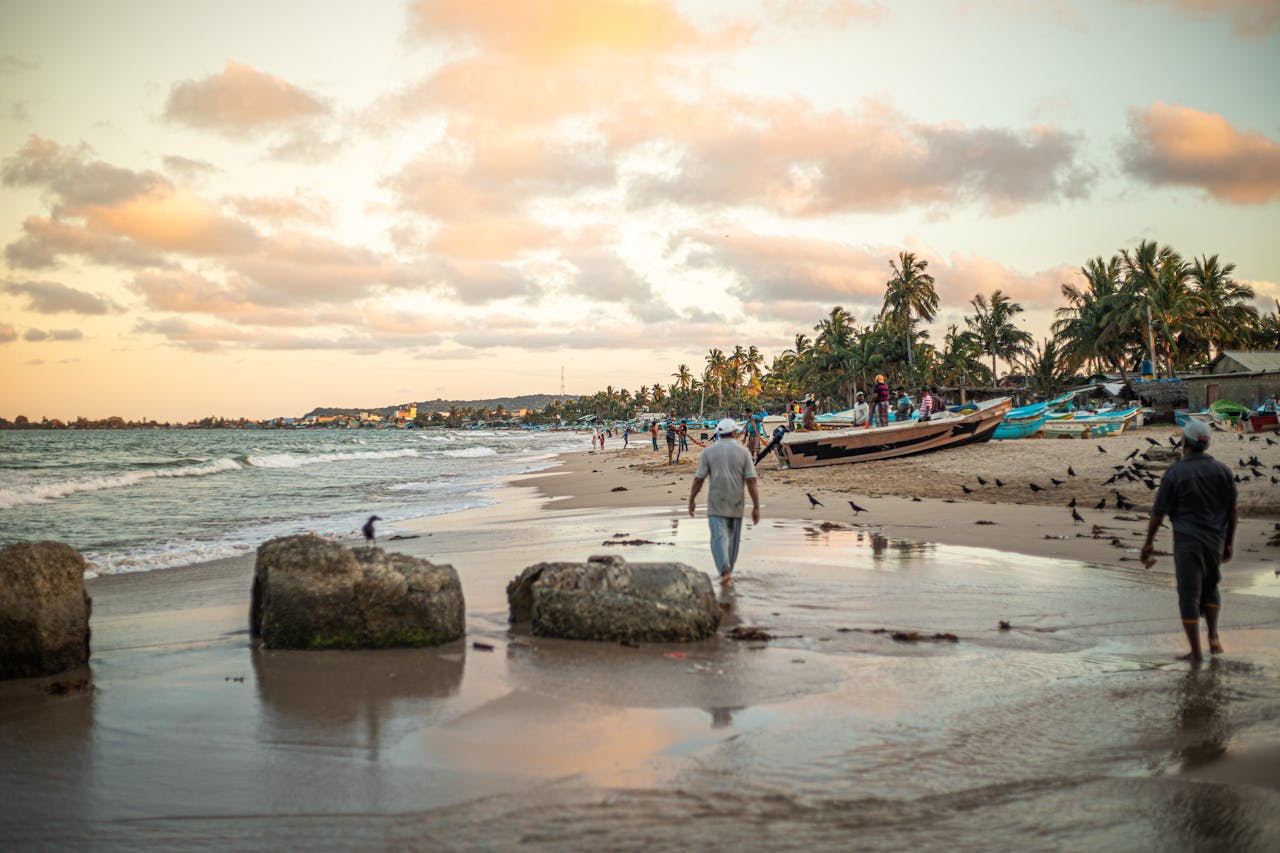
Accessible by road or rail, from Colombo, there is no better place to visit during the dry season between April and October. This part of the island has seen little development and as a result, there are fewer crowds, authentically friendly locals and a genuine sense of warmth and hospitality wherever you go.
Trincomalee and Nilaveli Beach
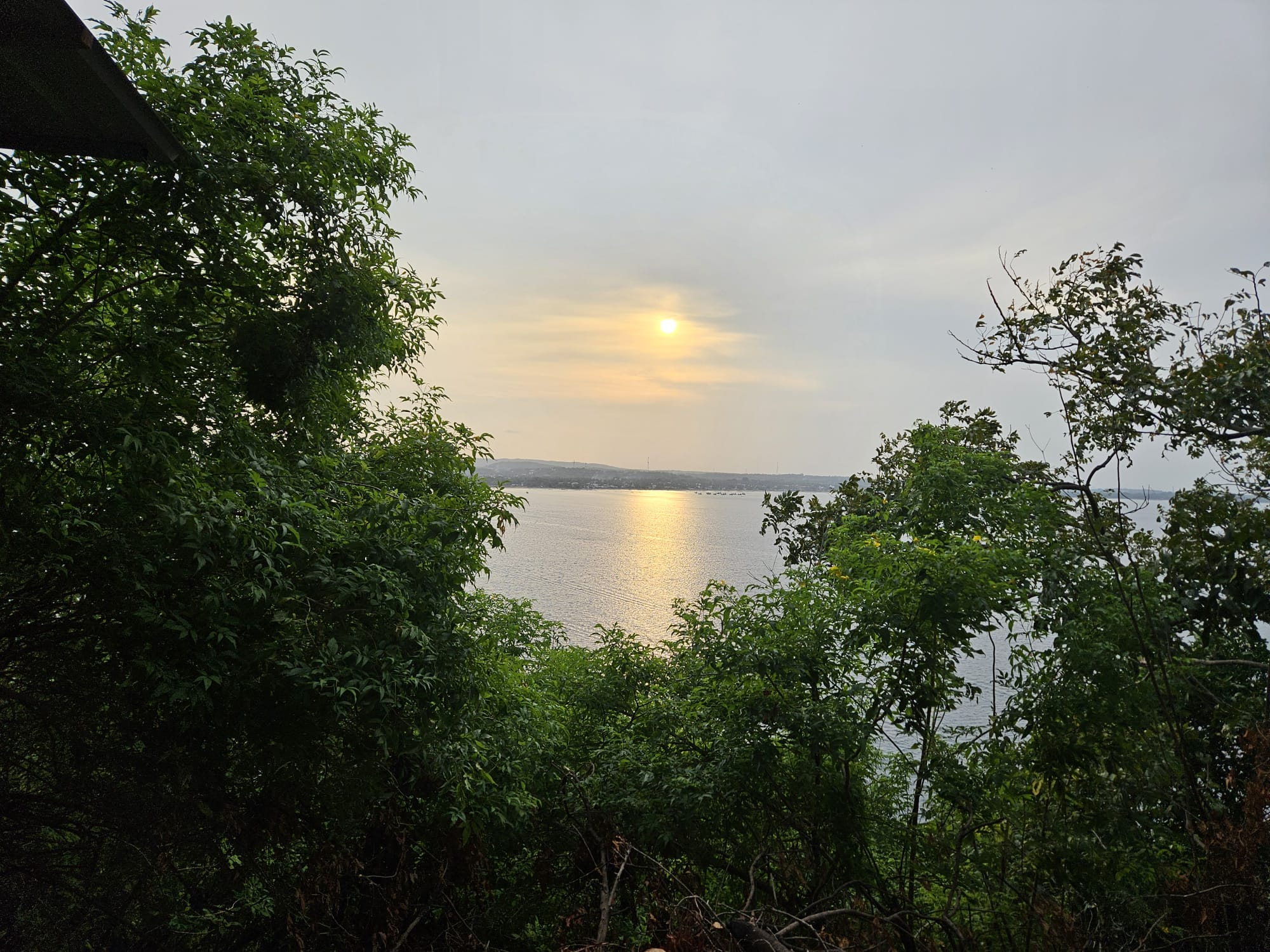

Trincomalee, endearingly called Trinco and best known for its natural harbour, is a coastal city on the northeast of Sri Lanka. Twenty minutes north of Trinco sits the village of Nilaveli; one of Sri Lanka’s worst-kept secrets. This powdery white beach and clear blue sea is where Sri Lankans spend their holidays.
The four kilometre beach with its magnificent coral reef is the main attraction. The lack of crowds means it’s a quiet and peaceful beach mostly to yourself, making it a perfect escape.
The region’s other main attraction is seafood. Head to the beach each morning and watch fishermen bring their nets in. These fishing boats supply all the hotels and restaurants along the coast with fish, prawns, crabs and even lobster. Lunch menus always include catch of the day.
What to do
For a dose of history and culture explore Trinco’s Fort Fredrick by foot. The fort, built by the Portuguese during their occupation of Sri Lanka in the 17th century, is still in administrative use but open to the public. Old buildings, original walls and large open spaces sit around a path which leads out to the main road and a staggering view of the sea.
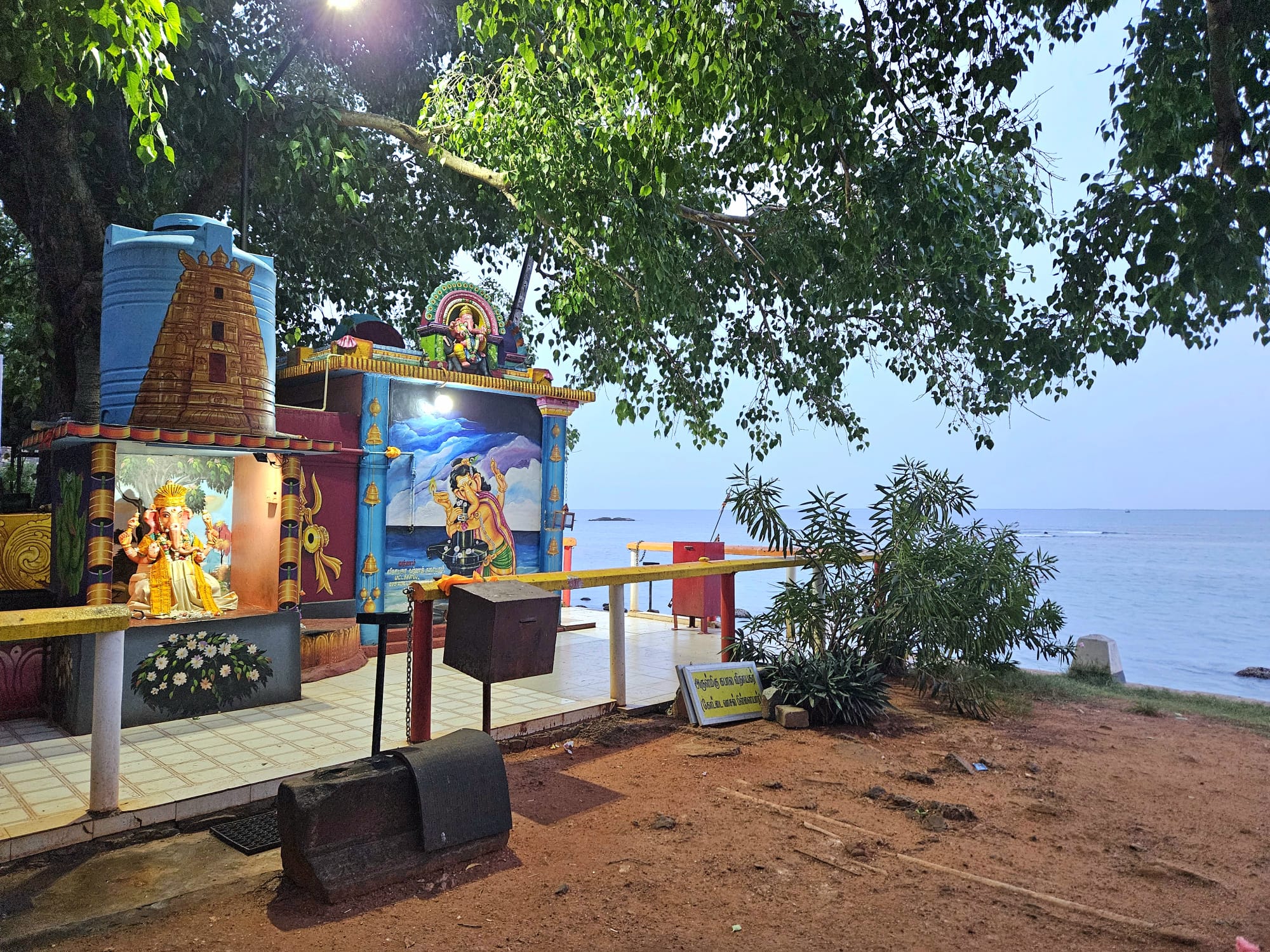
Walk to the opposite end and arrive at Thiru Koneswaram Hindu Temple; a stunning hilltop complex with towering statues built at the edge of the ocean where peacocks dance on the ledge as Hindu gods watch over land and sea. Arrive by 6pm to catch the pooja; the daily ritual of the congregation offering plates of fruit to the gods and priests offering blessings in return.
From the beach at Nilaveli book a 20 minute boat ride to Pigeon Island Marine National Park. All hotels offer this excursion which costs around £50 depending on the operator. The protected area of two small islands, known as Large Pigeon Island and Small Pigeon Island, named after the blue rock pigeons who live there, is a sandy, quiet paradise. It’s home to reef fish, turtles and over a hundred varieties of coral.
Where to stay
Cinnamon Trinco Blue is a great place to rest as the hotel is located between Trincomalee’s town centre and Nilaveli beach. The busy lobby looks out to the sparkling pool with views out to sea. Opt for ground floor rooms and walk directly on to the beach each morning.
Captain’s Deck is the hotel’s seafront restaurant which serves Sri Lankan and international buffets for breakfast, lunch and dinner. It’s fabulously set up for relaxed dining and the attached all day bar Rum Hold offers great pre-dinner cocktails.
Jaffna and Point Pedro
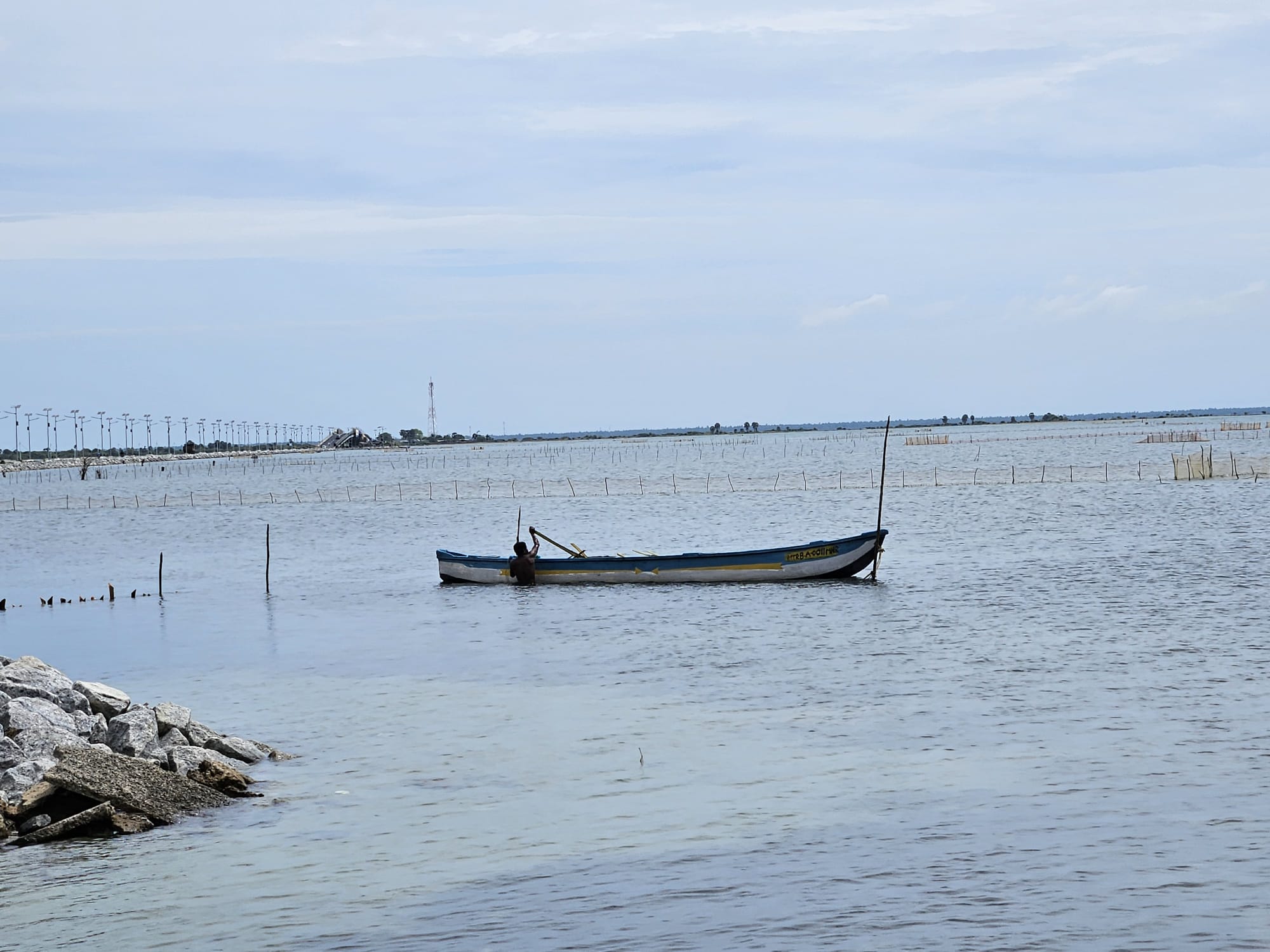
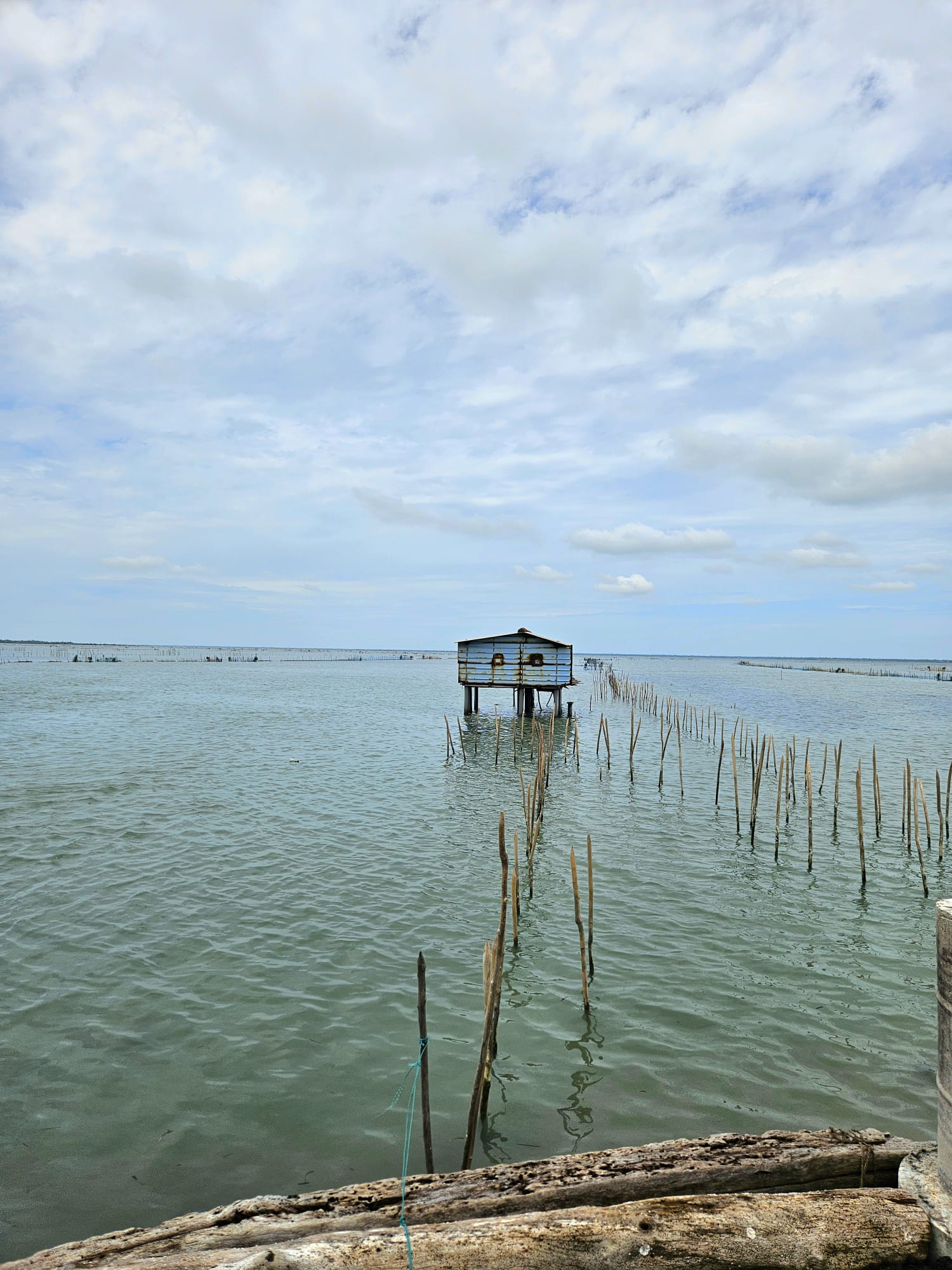
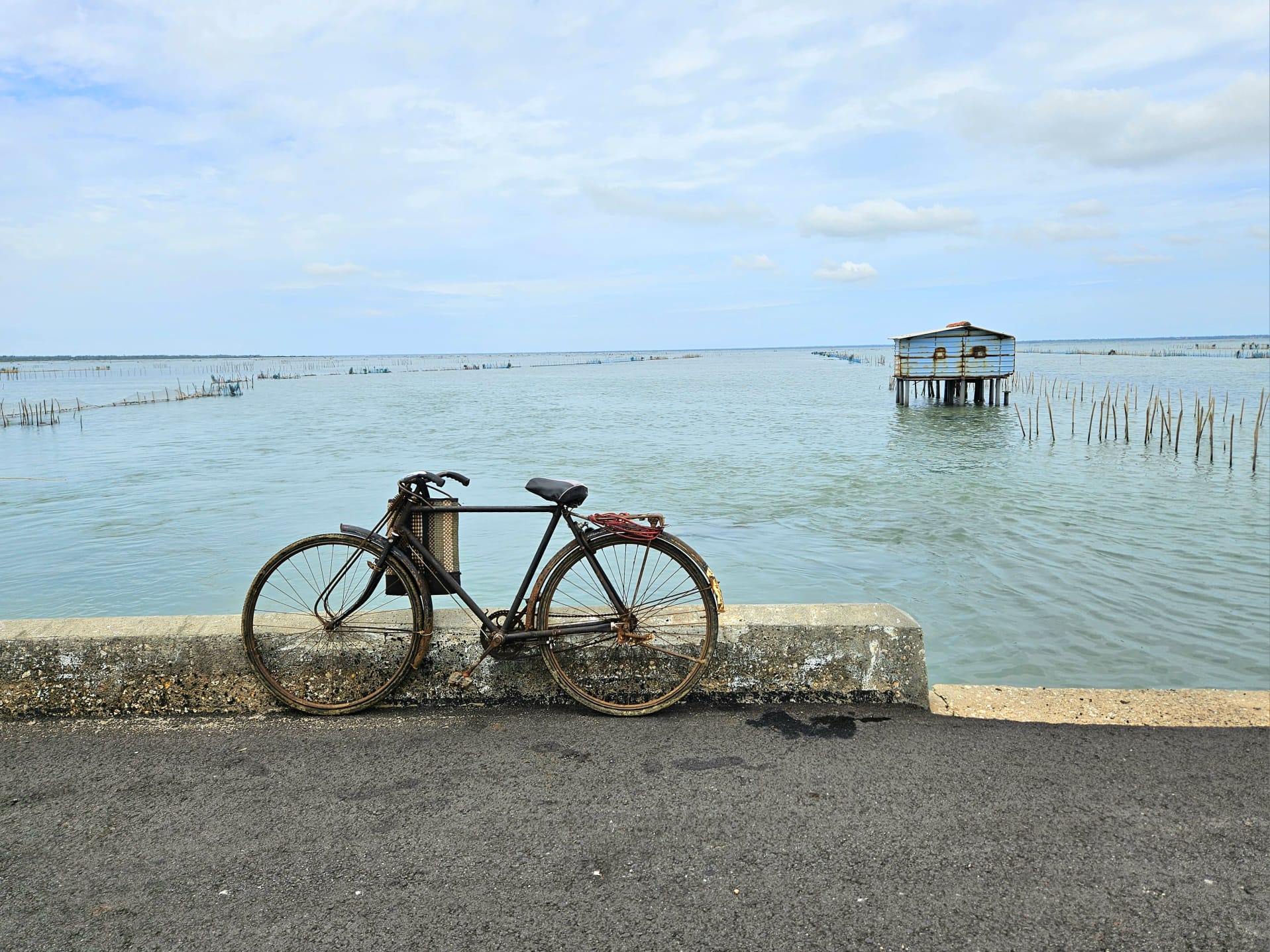
Jaffna, commonly considered the main city of northern Sri Lanka is at the very north of the island. 45 minutes northeast of the town is Point Pedro – the northernmost point of the island. The beach here is not for swimming but a place of significant interest. The lighthouse, built in 1916, does offer magnificent views but is not open to the public. The small village, sea, and the beach, which is covered in fishing nets or sun-drying fish, is one of the most authentic and rare glimpses into Sri Lanka’s rudimentary coastal village life; a thing that is expected to disappear soon as almost all the northern coast is earmarked for development.
What to do
Waste no time heading out to Jaffna Market which is easy to find and navigate. Some might argue that the entire centre of town is a market; street food carts line the streets, shops and tiny restaurants remain open until late. The covered food market sells fresh fruit, sweets, woven baskets and everything in between. Sellers are keen for visitors to taste their fresh produce. Try the sweet jackfruit or ripe mangoes as you walk by and spot a handmade souvenir.
Nallur Kandaswamy Temple is the city’s main point of interest and the spiritual centre of Jaffna. Remove footwear to enter the temple. Men are also required to remove their shirts. Inside is the main shrine around which people gather for blessings. Pillars decorated with wood carvings and gold leaf stand along long corridors with alcoves dedicated to Hindu gods.
Where to stay
There is no better place to stay in Jaffna than the superb Jetwing Jaffna. The towering hotel is centrally located within walking distance of Jaffna Market. Expect all the comfort and good taste of Jetwing Hotels; Sri Lanka’s signature luxury hospitality brand. The rooms are plush and overlook the busy town centre. Jetwing Jaffna’s crowning glory however, is Peninsula, the hotel’s remarkable restaurant; the best place to try Jaffna crab curry. The unashamedly decadent burgundy and gold decor is a perfect match for the open fires by which chefs grill enormous prawns and fresh fish at your request. Stay here late and enjoy a night cap at the rooftop bar Jaffna Sky Lounge which is open until 10pm.
Mannar Island
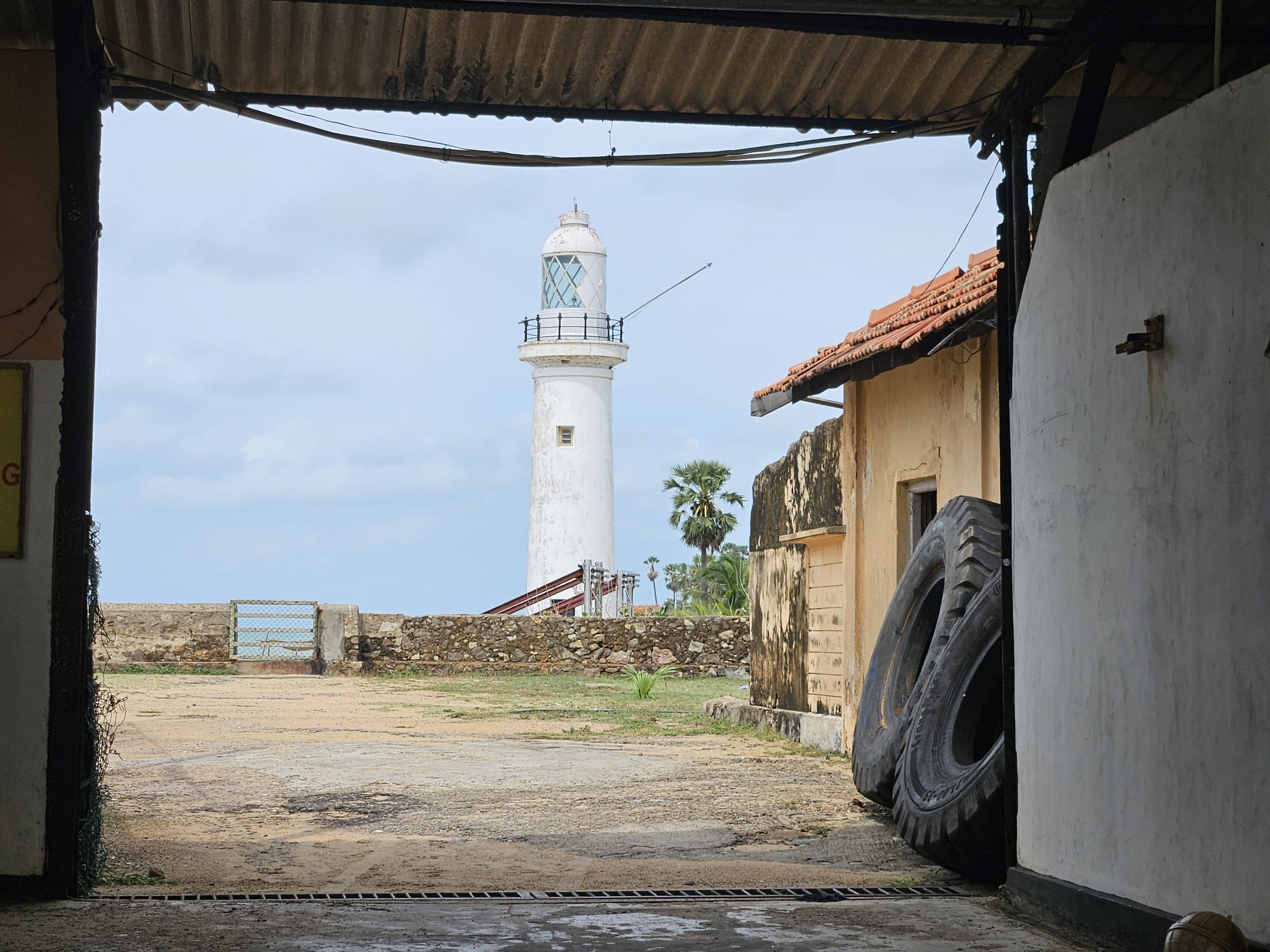
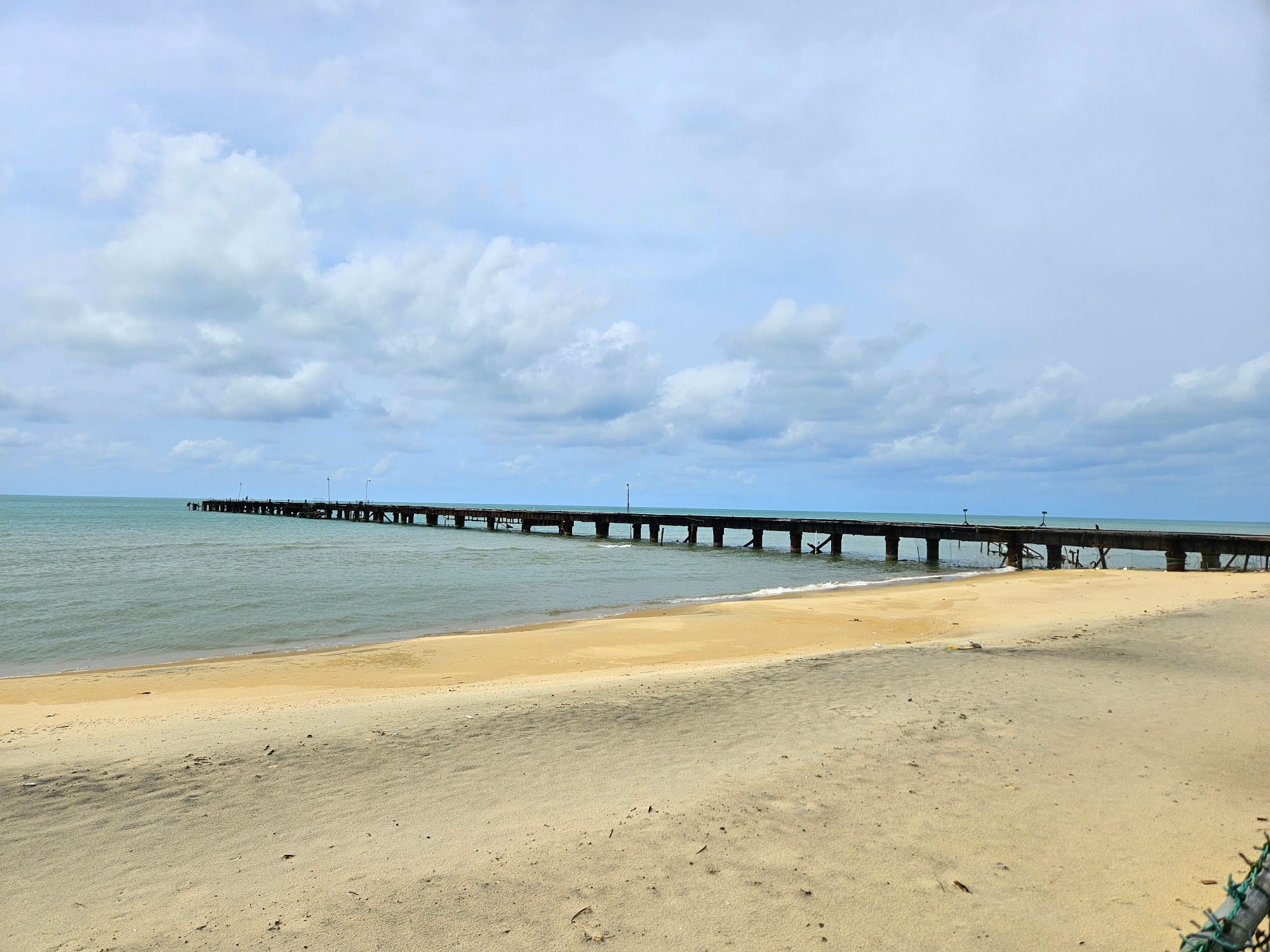
Mannar is an island off the northwestern coast thought to have been part of the sand spit that once linked Sri Lanka to India. Today, the island which is connected to the mainland by road, is a picturesque, untouched place. With November and December being the only time of year that rain falls in Mannar it’s a great year round destination. Keeri, Thalvapadu and Pesalai are some of the beaches which surround the island which are perfect for swimming. They are as idyllic as you can imagine; white sand, shallow waters almost 10 metres into the sea, and only crabs and seashells for company. As with any off-the-beaten-path destination swimming and snorkelling should be done at your own risk.
What to do
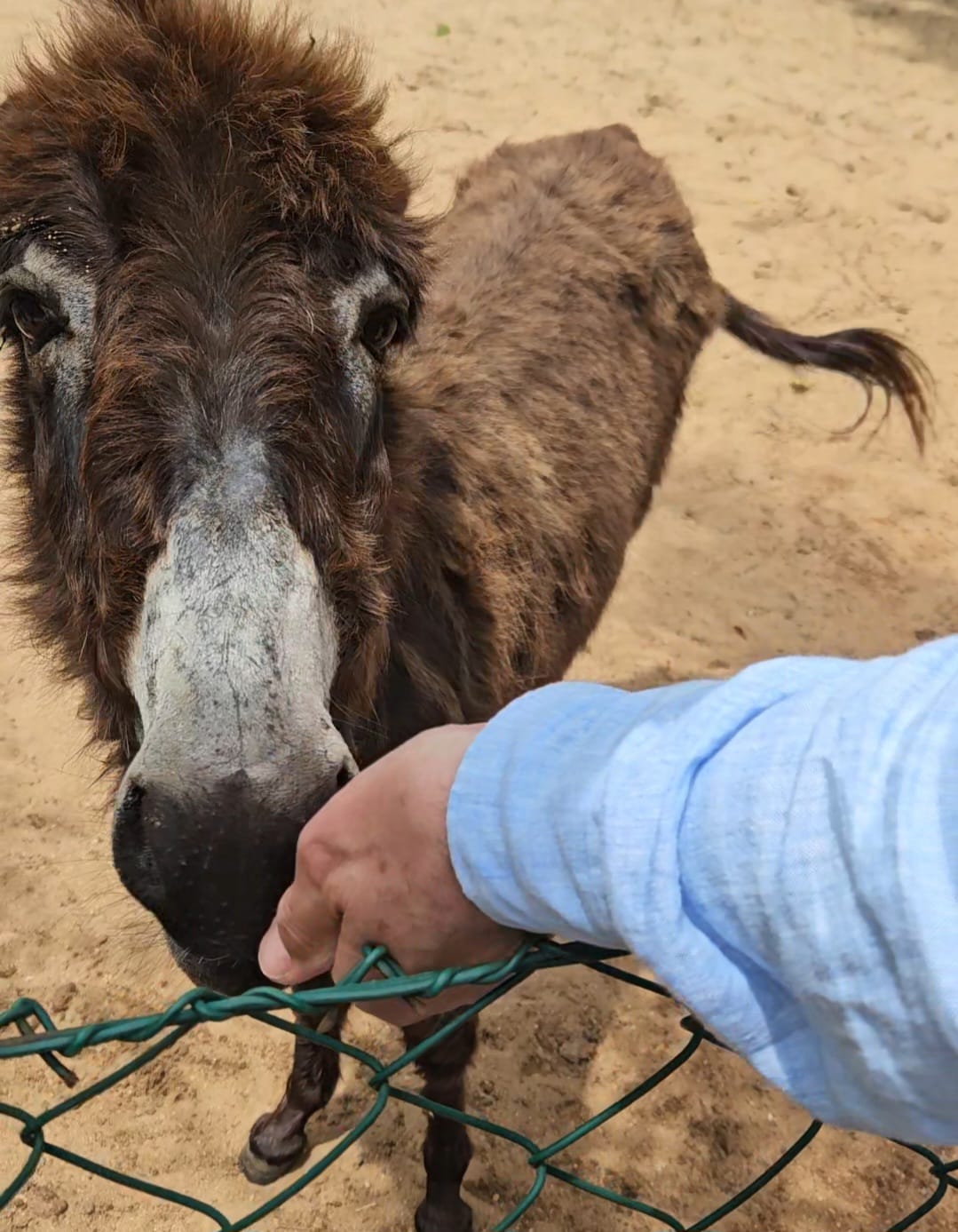
Complete your trip with a visit to the Donkey Clinic and Education Centre. Arab traders brought donkeys to Mannar in the 3rd century when salt mining was a part of the local economy. They were used for carrying salt along the peninsula. As the industry fell into decline the animals were abandoned but have continued to thrive. Locals consider them pests and injured donkeys were left to fend for themselves.
Sahul Hameedtu Al-Hathir started a self-funded project to care for the donkeys and engage the local community. The Donkey Clinic and Education Centre rehabilitate injured donkeys and work to change the negative perception the local community holds of the animals. Visitors can feed and interact with the donkeys who are released back to the wild after they are fully recovered.
Where to stay
Whether travelling north from Colombo to Mannar or south from Jaffna Club Palm Bay in Marawila is the perfect stop. The sprawling hotel has chalets stretched across 22 acres of well-manicured gardens with a large pool at the centre. The rooms are spacious and sit within lush greenery. Kundira, the in-house restaurant, offers buffet style dining and the bar, Ran Thambili, serves fresh cocktails and spirits. The hotel’s spa offers a range of healing Ayurvedic massages. Check it out on booking.com here.
Let us know your thoughts on Sri Lanka’s best beaches – are you planning to go anytime soon? We’d love to hear from you.